Tooling Engineering and Injection Mold Design
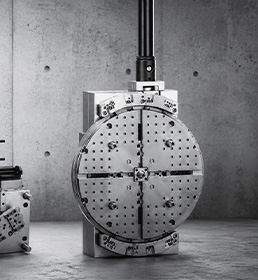
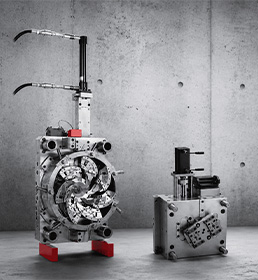
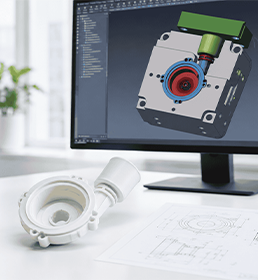
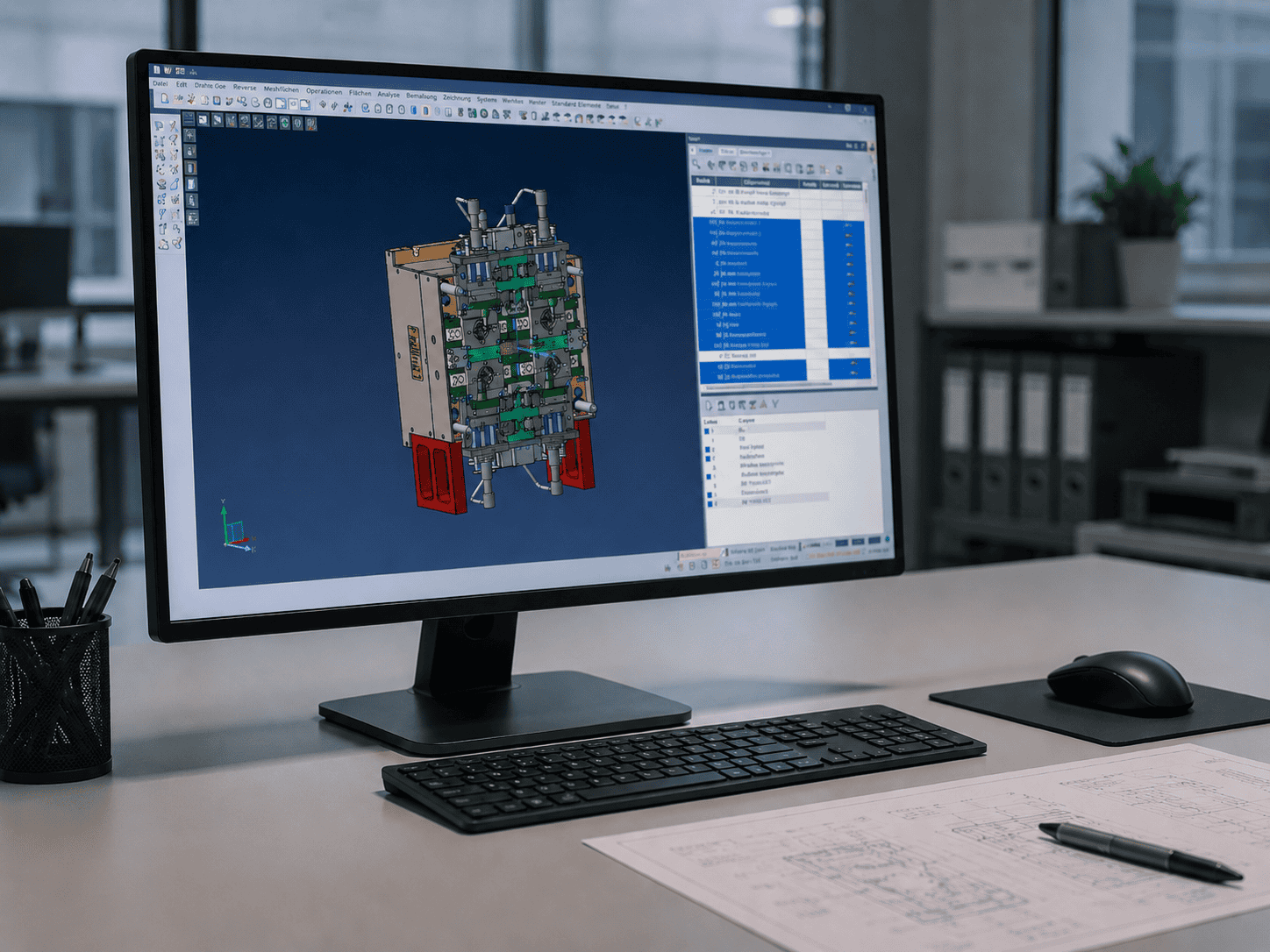
Mold design determines how part geometry, material behavior, and process requirements are translated into a reliable injection molding process. Cavity layouts, parting lines, slide mechanisms, and demolding concepts must be engineered to reproduce the required part geometry with maximum precision and repeatability.
Engineering of Injection Molds
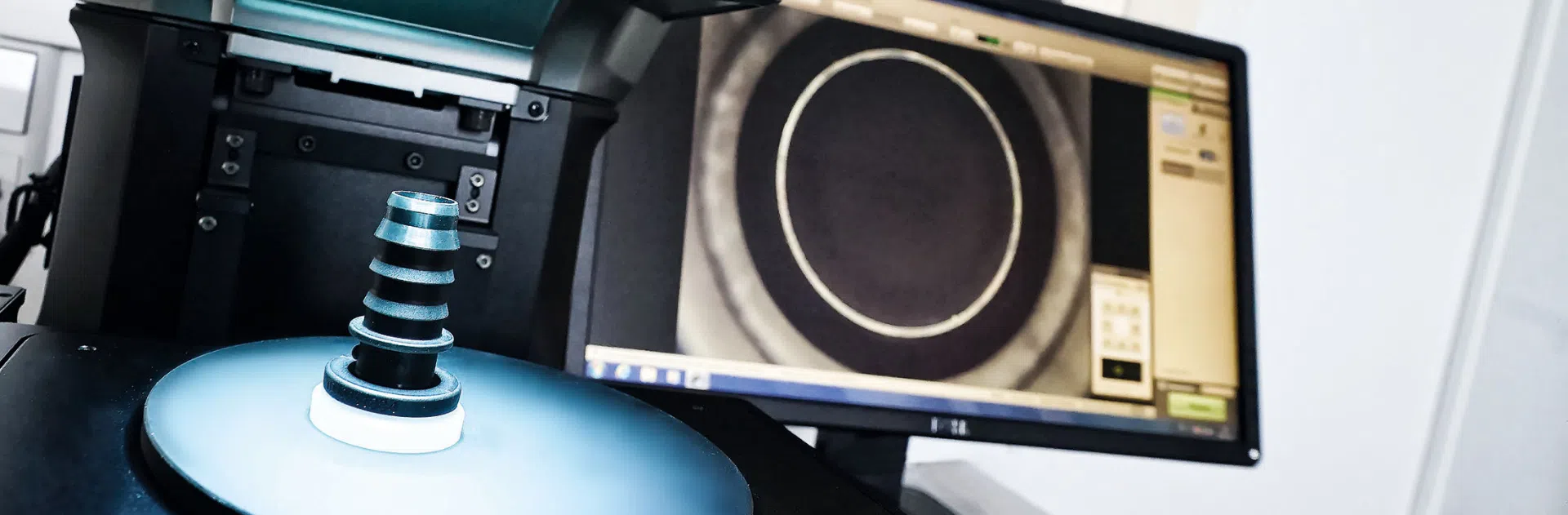
The engineering of injection molds requires the coordinated design of part geometry, material behavior, and process requirements. Mold structure, cooling, demolding systems, and moving mechanisms are developed to ensure reliable cavity filling, part formation, and part ejection under controlled production conditions.
Discuss Your Mold Design Project
Are you looking for a well-engineered mold design for your plastic component?
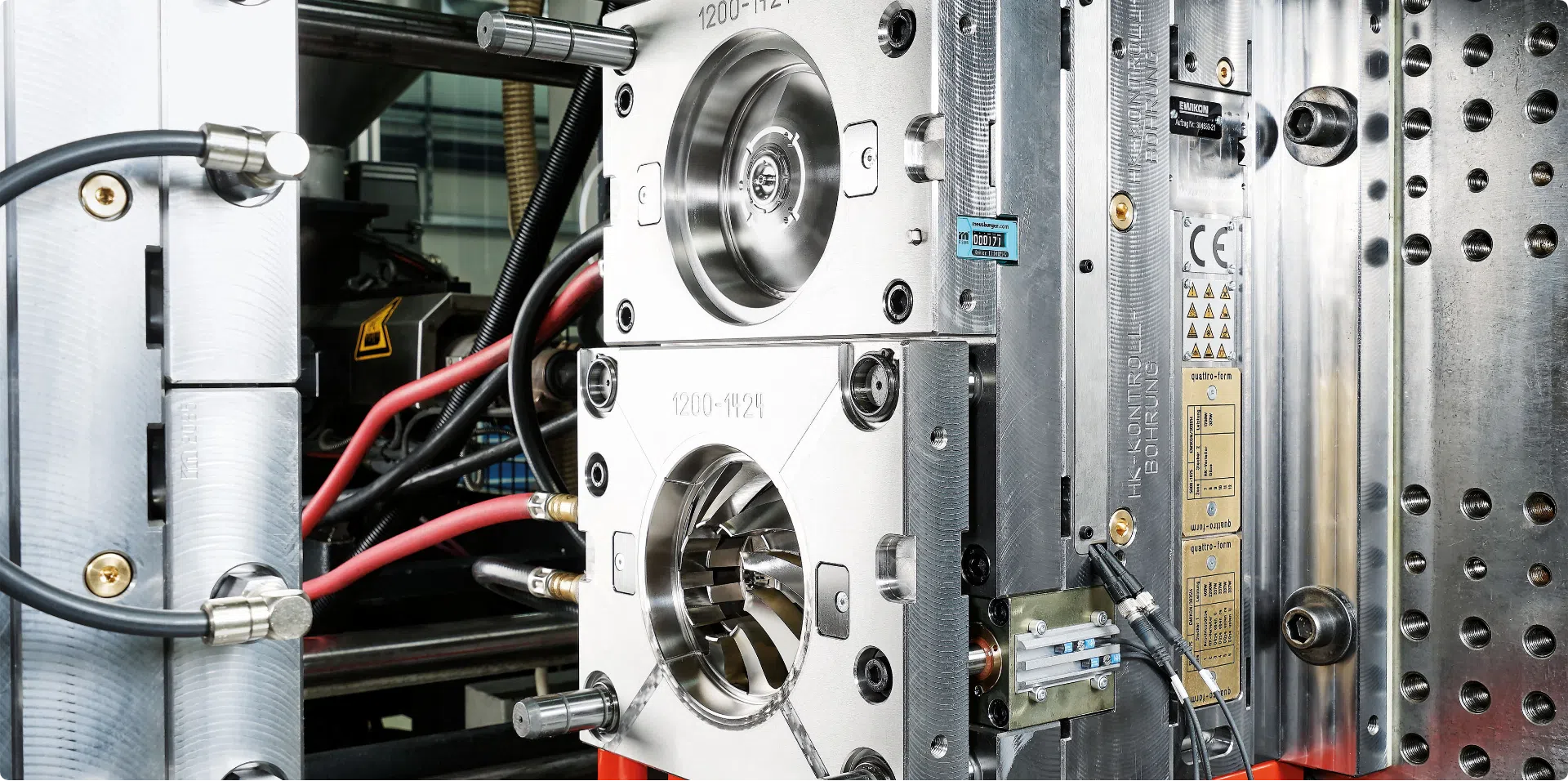
quattro-form develops tooling concepts based on part geometry, material behavior, and production requirements, ensuring that every functional aspect is fully integrated into the mold design.

FAQ Section
Frequently Asked Questions About Injection Mold Design
How are insert molding and multi-component solutions integrated into the mold design?
Insert positioning, transfer sequences, and mold movements are defined during the design phase. Inserts and multiple materials are integrated into the tooling concept to ensure reliable positioning, repeatable processing, and stable series production.
How are complex geometries demolded safely?
Complex parts are demolded using engineered slide mechanisms, lifters, core pulls, and ejector systems. Motion sequences and locking mechanisms are designed to ensure reliable demolding of undercuts and functional features.
Why is cooling so important in mold design?
The cooling system has a major influence on temperature distribution, cooling performance, and part warpage. Cooling channels are engineered to ensure controlled cooling, dimensional stability, and efficient cycle times.
How are gate location and gate type determined?
Gate location and gate type are defined based on part geometry and material behavior. Flow paths, wall thicknesses, and functional areas are carefully evaluated to achieve balanced cavity filling and consistent part quality.