Prototype & Trial Molds for Complex Applications
Not every plastic component can be transferred directly into a production mold. Complex geometries, material combinations, and insert molding applications often involve technical uncertainties that cannot be fully assessed through simulation or theory alone.
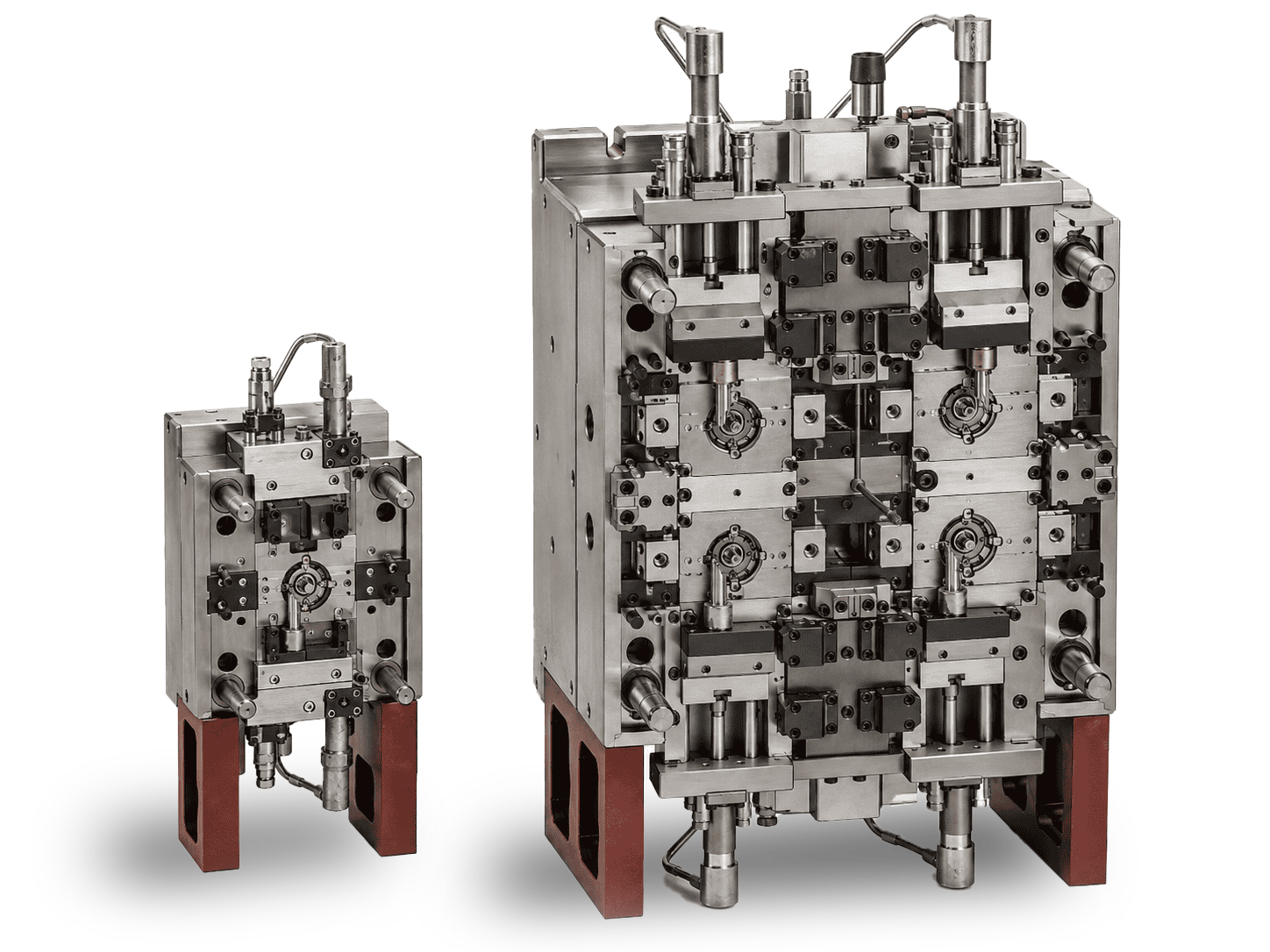
Benefits of Prototype & Trial Molds
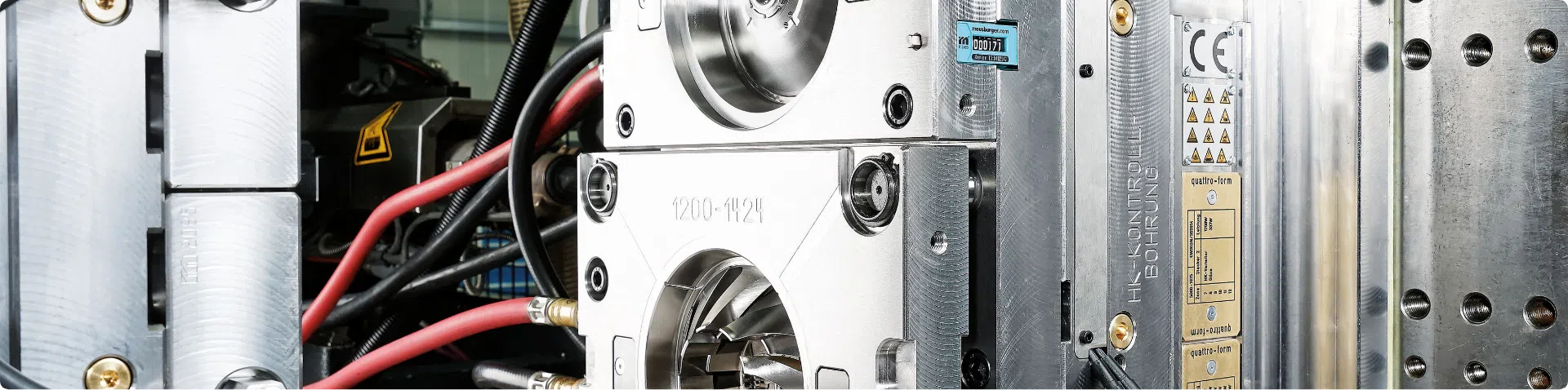
Typical Applications for Prototype & Trial Molds





Prototype & Trial Molds as the Foundation for Production Tooling
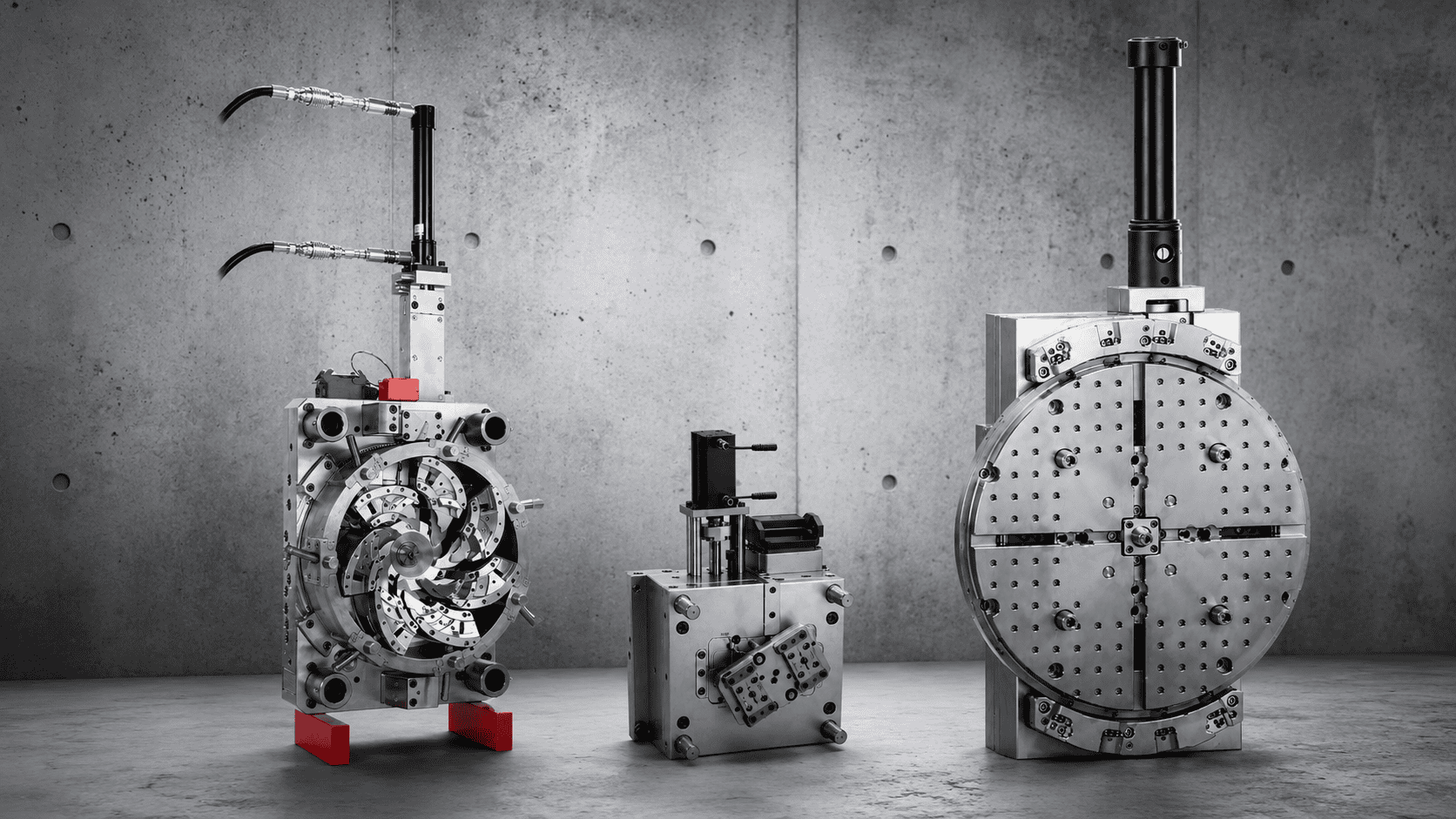
Prototype and trial molds make it possible to evaluate part geometries, material combinations, and functional features before committing to a production mold. Even complex applications can be tested in a flexible and cost-effective development environment.
Discuss Your Prototype & Trial Mold Project
Are you developing a component with open questions regarding geometry, material selection, or functionality?
quattro-form develops prototype and trial molds to evaluate critical features and establish a reliable foundation for production mold design.
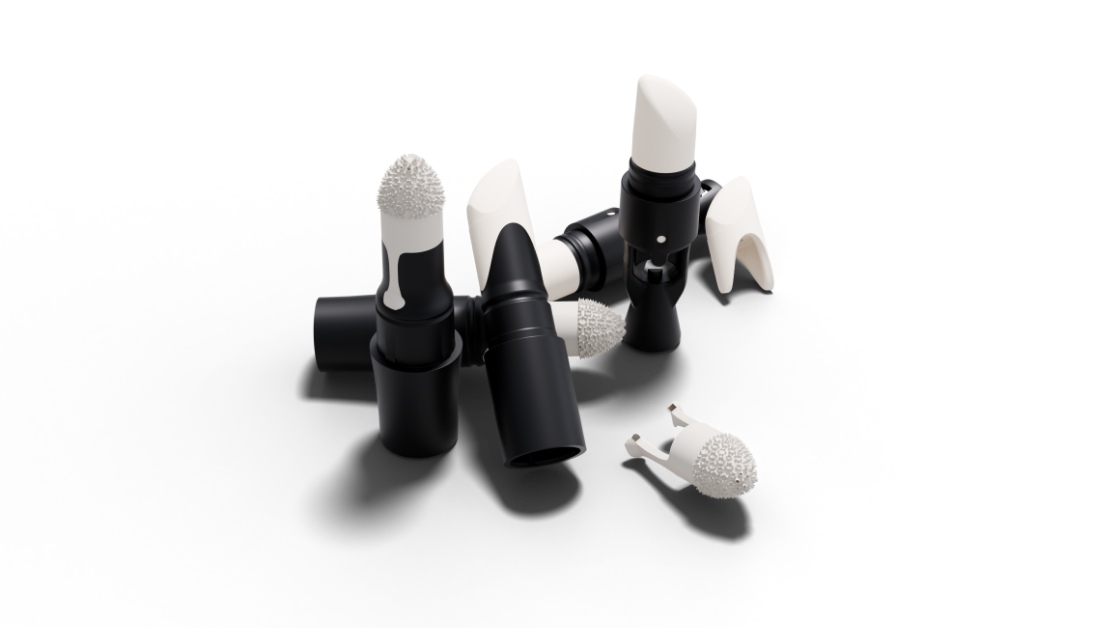
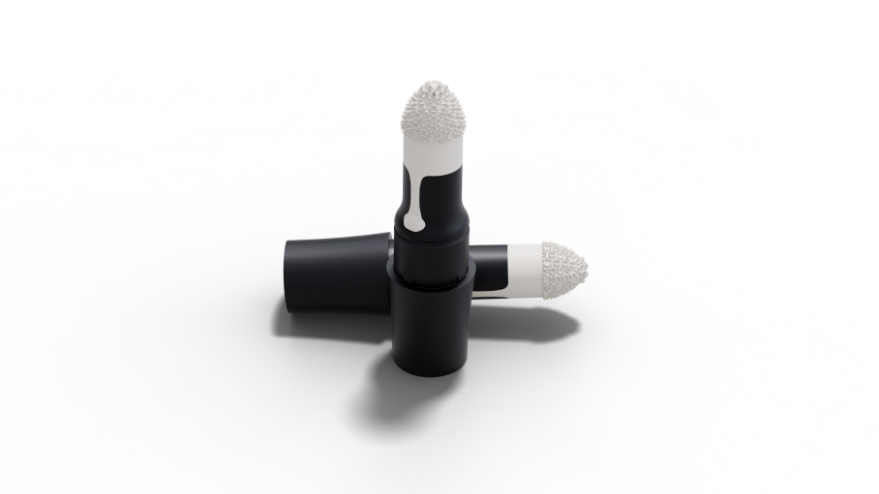
FAQ Section
Frequently Asked Questions About Prototype & Trial Molds
Can complex applications also be evaluated with prototype molds?
Yes. Multi-component applications, insert molding, and components with demanding functional features can all be evaluated under realistic production conditions before the production mold is built.
Which findings can be transferred to the production mold?
The results provide valuable information about part geometry, gate locations, material behavior, and functional features. These insights form the basis for an optimized production mold design.
How do prototype molds differ from production molds?
Prototype and trial molds are designed for flexibility and rapid engineering changes. Their primary purpose is to generate reliable development data rather than to maximize production output or tool life.
What can be evaluated with a prototype or trial mold?
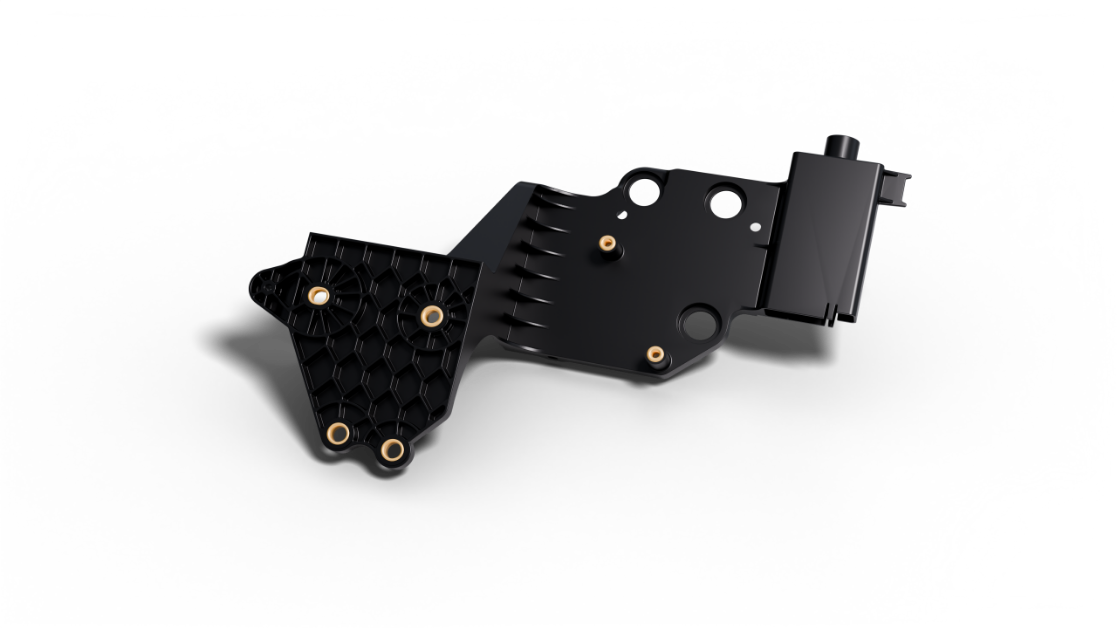
Prototype trials allow engineers to evaluate filling behavior, demolding performance, material transitions, and critical geometric features. Insert positioning and the interaction of multiple materials can also be assessed directly on the molded component.
When is a prototype or trial mold the right choice?
Prototype and trial molds are ideal when part geometry, material combinations, or functional performance cannot be fully evaluated in advance. They are particularly valuable for complex geometries, insert molding applications, and multi-component parts.