Insert Molding Technology
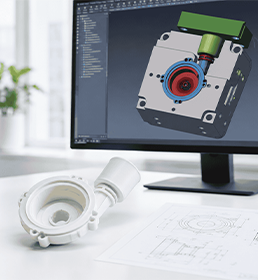
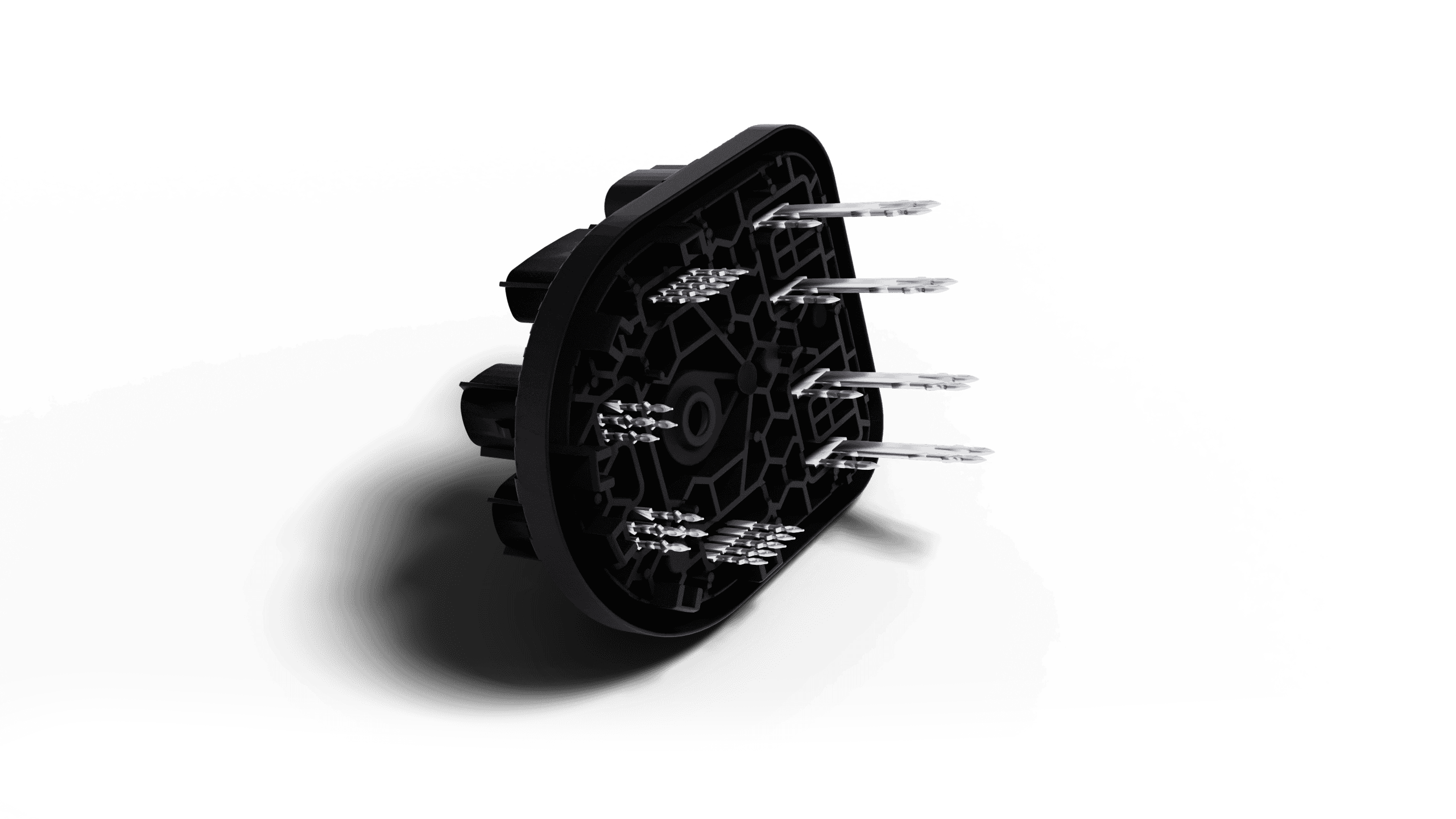
Insert molding combines pre-manufactured functional elements such as electrical contacts, busbars, or threaded inserts with injection-molded plastic components. The precise positioning of each insert is critical, as it directly determines the functionality of the finished part.
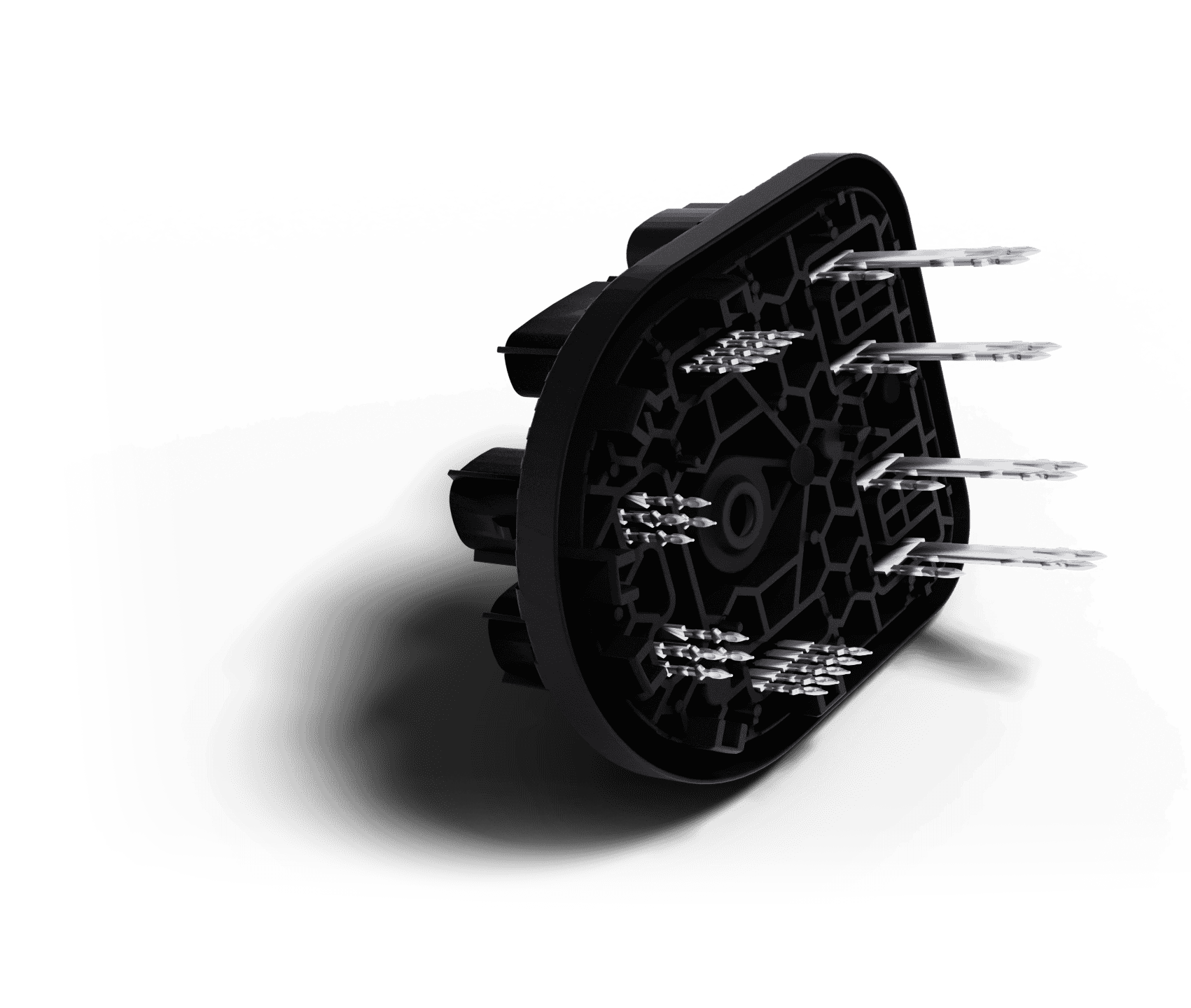
Benefits of Insert Molding
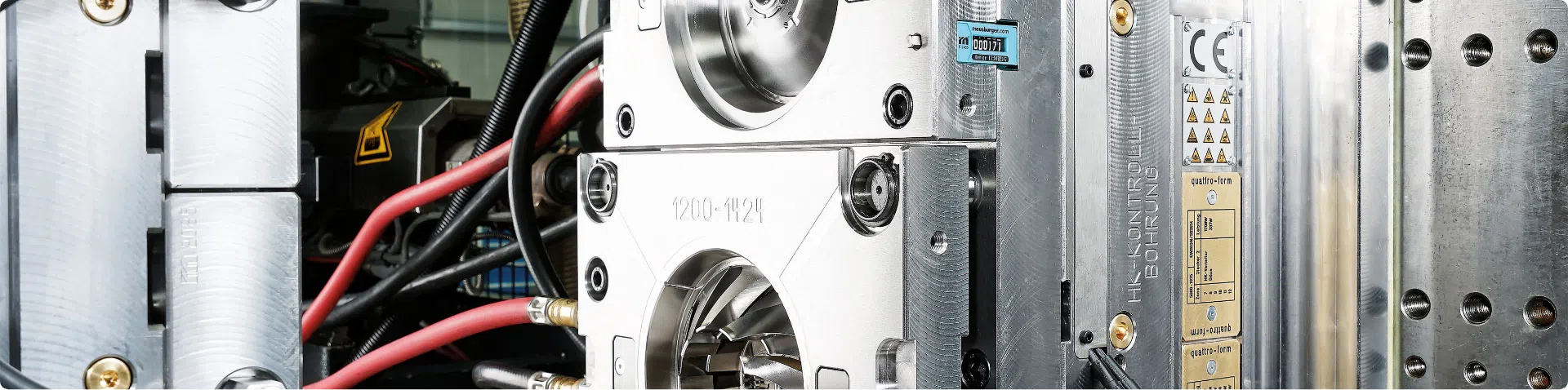
Typical Applications for Insert Molding
Insert molding is used wherever plastic components require additional functional elements. It is particularly important for electrical applications, where the precise positioning of contacts and conductors is essential for both electrical performance and dimensional accuracy.
Typical Applications for Insert Molding
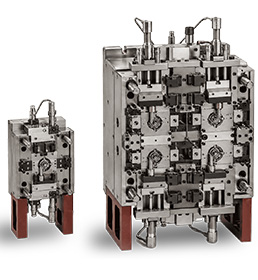
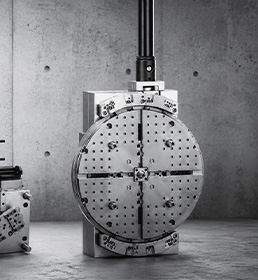
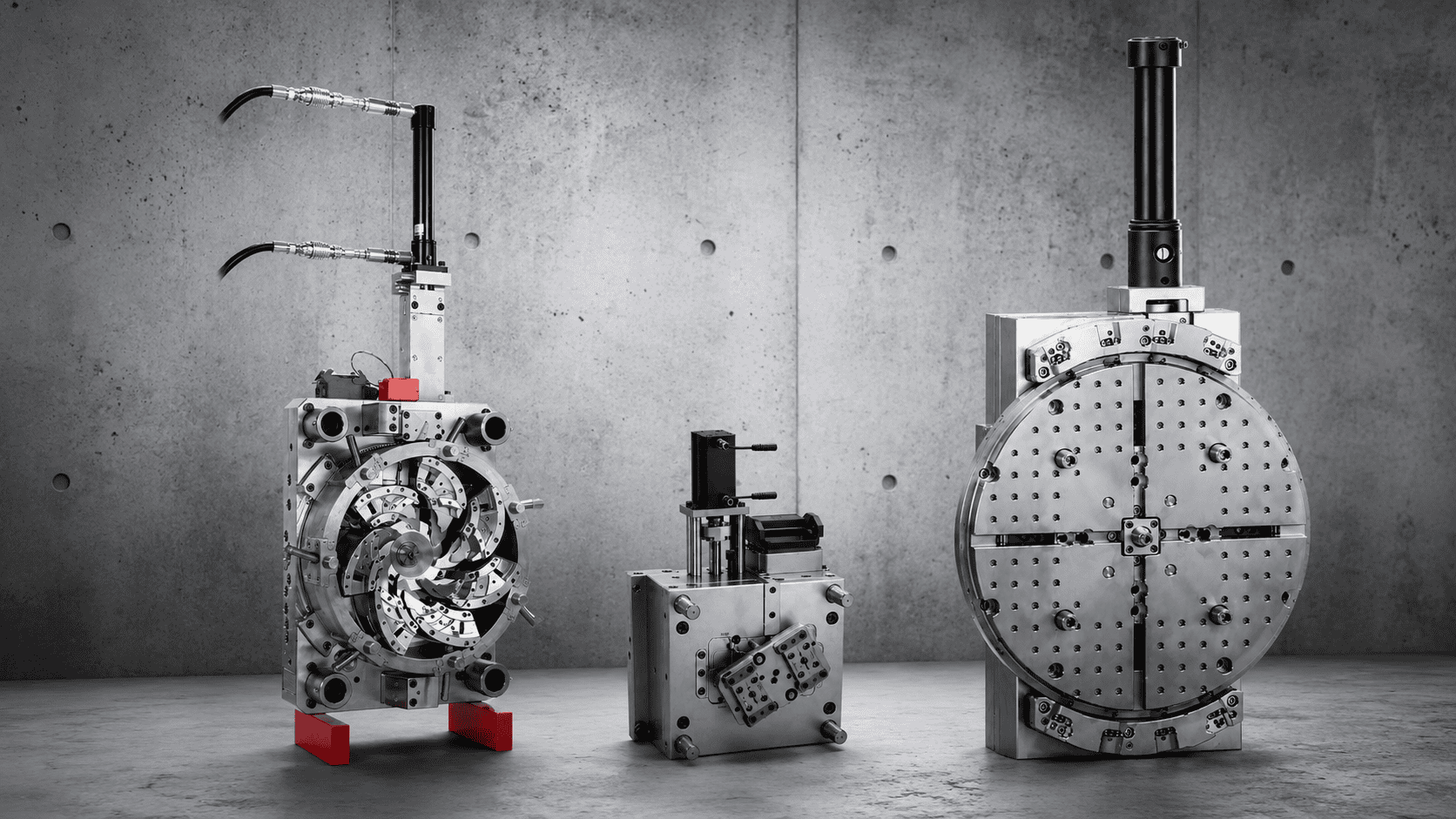
The design of insert molds is driven by the required positioning accuracy and functional requirements of the finished component. A key consideration is how the insert is located, secured, and held in position throughout the injection molding process.
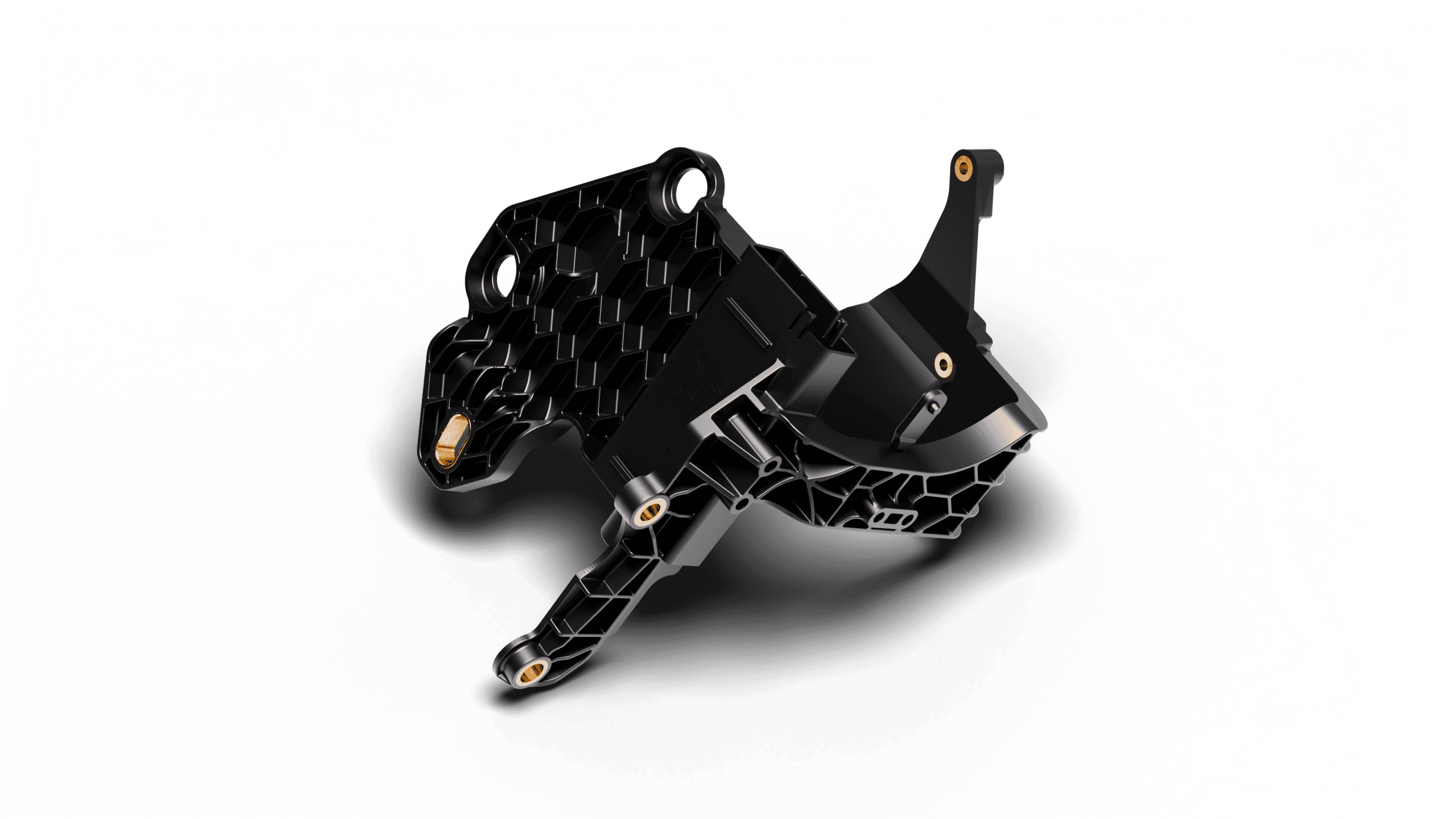
Tooling Solutions for Insert Molding
Discuss Your Insert Molding Project
Are you developing a plastic component with inserts such as electrical contacts, busbars, or threaded inserts and would like to define the right tooling concept?
quattro-form develops injection molds for insert molding with a focus on precise positioning, secure retention, optimized gating concepts, and controlled material flow to ensure reliable functionality and consistent part quality.
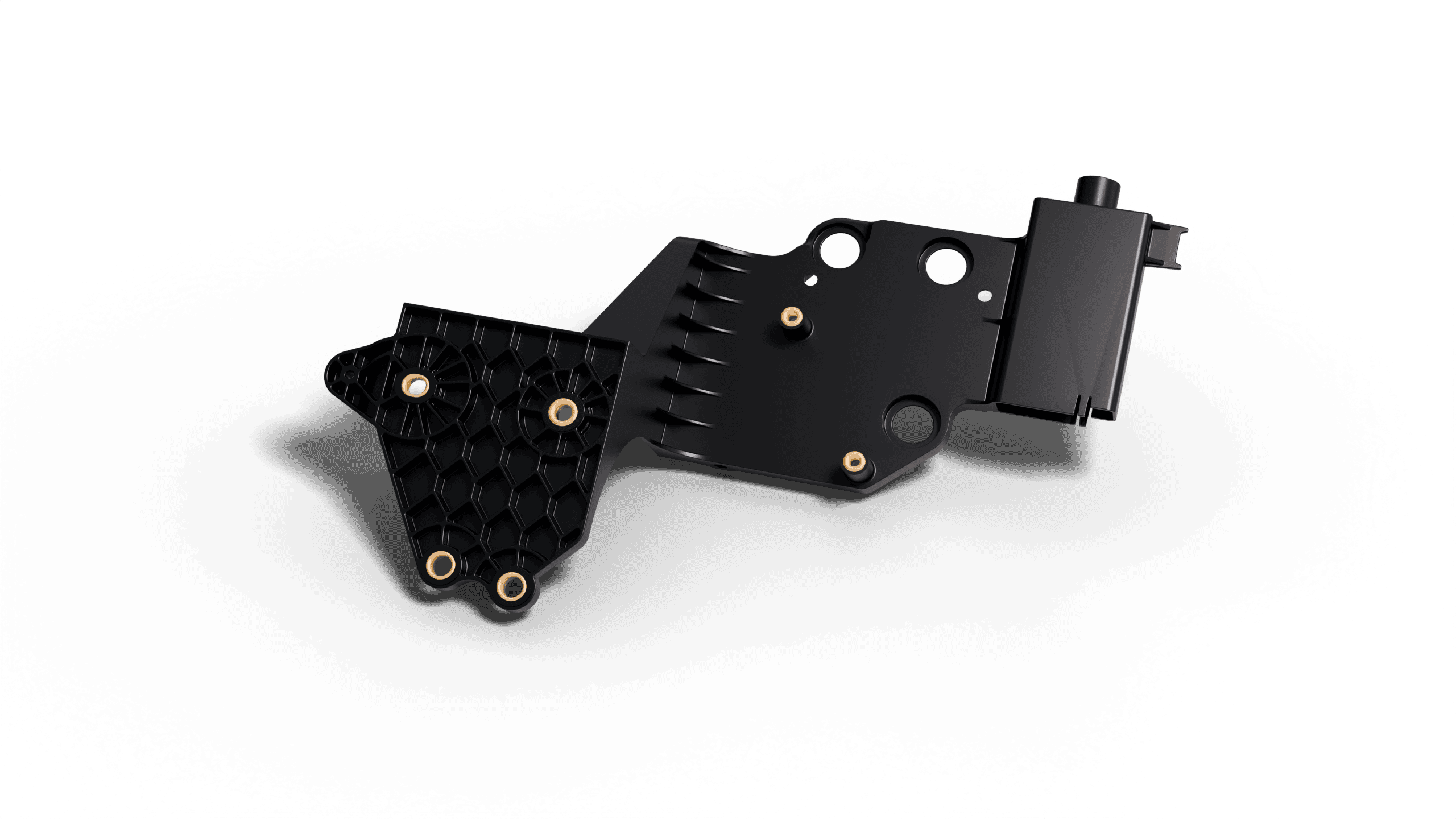
FAQ Section
Frequently Asked Questions About Insert Molding
Why is the gating concept so important in insert molding?
The gating concept determines how the molten plastic flows around the insert. It must be engineered to achieve complete overmolding while preventing air entrapment and ensuring consistent part quality.
Can insert loading be automated?
Yes. Inserts can be loaded either manually or by automated handling systems. The mold is designed to match the selected loading method and ensure reliable, repeatable positioning.
How is insert movement prevented during molding?
Insert retention, gate location, and material flow are carefully coordinated to prevent inserts from shifting or being displaced by the molten plastic during cavity filling.
How are inserts positioned inside the mold?
Inserts are secured using precision locating features, dedicated support surfaces, or controlled clamping mechanisms. The objective is to maintain accurate positioning throughout the injection molding process.